Exploring the Fascinating World of Tabletop Games
Tabletop games have been a beloved form of entertainment for generations, captivating players with strategic challenges, imaginative storytelling, and dynamic social interactions. Unlike digital games, tabletop games foster a tangible, face-to-face experience that is both immersive and rewarding. In this article, we'll explore the history, variety, and cultural impact of tabletop games, and how they continue to captivate audiences worldwide.
The Evolution of Tabletop Games
The roots of tabletop games stretch back thousands of years, with some of the earliest examples appearing in ancient civilizations. Games like Senet in Ancient Egypt and Go in China demonstrate the universal appeal of these entertaining pastimes. As societies evolved, so too did tabletop games, incorporating elements of strategy, chance, and storytelling to appeal to diverse audiences.
One significant development in the history of tabletop games was the introduction of chess around the 6th century. Chess's complex strategic elements laid the groundwork for future games, influencing the development of titles like Stratego and Risk. Similarly, the creation of card games such as Poker and Bridge introduced a new layer of psychological strategy and social interaction to the tabletop genre.
Modern Tabletop Games: A Diverse Landscape
Today, the world of tabletop games is more diverse than ever, with genres ranging from classic board games to intricate role-playing games. Modern tabletop games often blend elements of chance, strategy, and storytelling, offering players a multitude of experiences and challenges.
One notable subgenre is Eurogames, which emphasize strategy over chance. These games, such as Settlers of Catan and Carcassonne, often feature economic themes and require players to manage resources effectively. Their popularity has skyrocketed, as they appeal to players seeking strategic depth coupled with elegant gameplay mechanics.
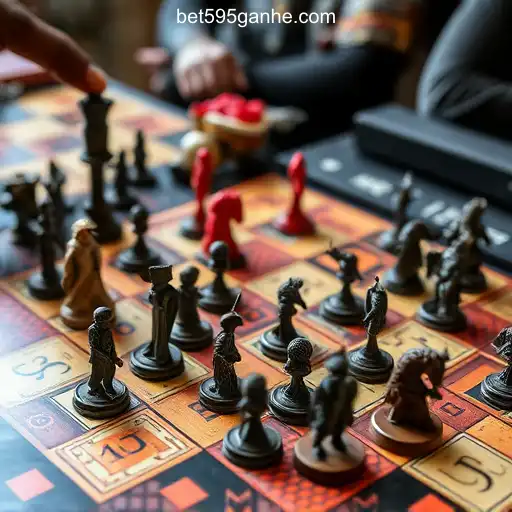
Meanwhile, war games like Warhammer and BattleTech demand tactical prowess, immersing players in simulated battles. These games often utilize miniatures, adding a physical dimension to the gameplay that further enhances the experience.
Role-Playing Games: A Realm of Imagination
Role-playing games (RPGs) represent a dynamic branch of tabletop gaming, inviting players to embody characters and engage in collaborative storytelling. Games like Dungeons & Dragons have captivated millions with their rich narratives and open-ended play styles. By allowing players to explore fantasy worlds and shape the story through their decisions, RPGs create an unparalleled level of engagement.
Within the RPG genre, countless games cater to varied tastes, from horror-themed titles like Call of Cthulhu to science fiction adventures in games like Shadowrun. Each offers a unique blend of storytelling, character development, and strategy, providing endless hours of exploration and excitement.
Tabletop Gaming and Social Interaction
One of the most compelling aspects of tabletop games is their ability to bring people together. Whether it's family game night or a regular gathering of friends, these games encourage face-to-face interaction and foster strong social bonds. Studies have shown that playing tabletop games can improve communication skills, strategic thinking, and even mental health, as players work together or compete in a relaxed and entertaining environment.
Furthermore, the rise of online forums, conventions, and communities dedicated to tabletop gaming illustrates the shared passion players have for this engaging hobby. Events such as Gen Con and Essen Spiel attract enthusiasts from around the world, highlighting the global appeal and cultural significance of tabletop games.
The Role of Bet595 Oficial 💯️ - O melhor cassino online do Brasil in Tabletop Culture
In recent years, the intersection of online gaming and tabletop culture has become increasingly apparent. Platforms like Bet595 Oficial 💯️ - O melhor cassino online do Brasil have introduced elements of traditional casino games into the digital realm, appealing to fans of strategic gameplay who seek the thrill of both chance and skill. As tabletop gaming continues to evolve, the influence of online platforms can't be ignored, providing new opportunities for engagement and accessibility for players worldwide.
Looking to the Future
As technology advances, the future of tabletop gaming looks bright, with potential developments in digital integration enhancing traditional gameplay experiences. Augmented reality (AR) and virtual reality (VR) are already being used to enrich board games, offering new dimensions and scenarios for players to explore.
Ultimately, the enduring charm of tabletop games lies in their ability to unite people in shared experiences. Whether through the complex strategies of modern board games or the imaginative worlds of RPGs, tabletop gaming continues to captivate players of all ages, ensuring its relevance and appeal for future generations.